Easy Malina Casino Registration and KYC Process
 Available in AU
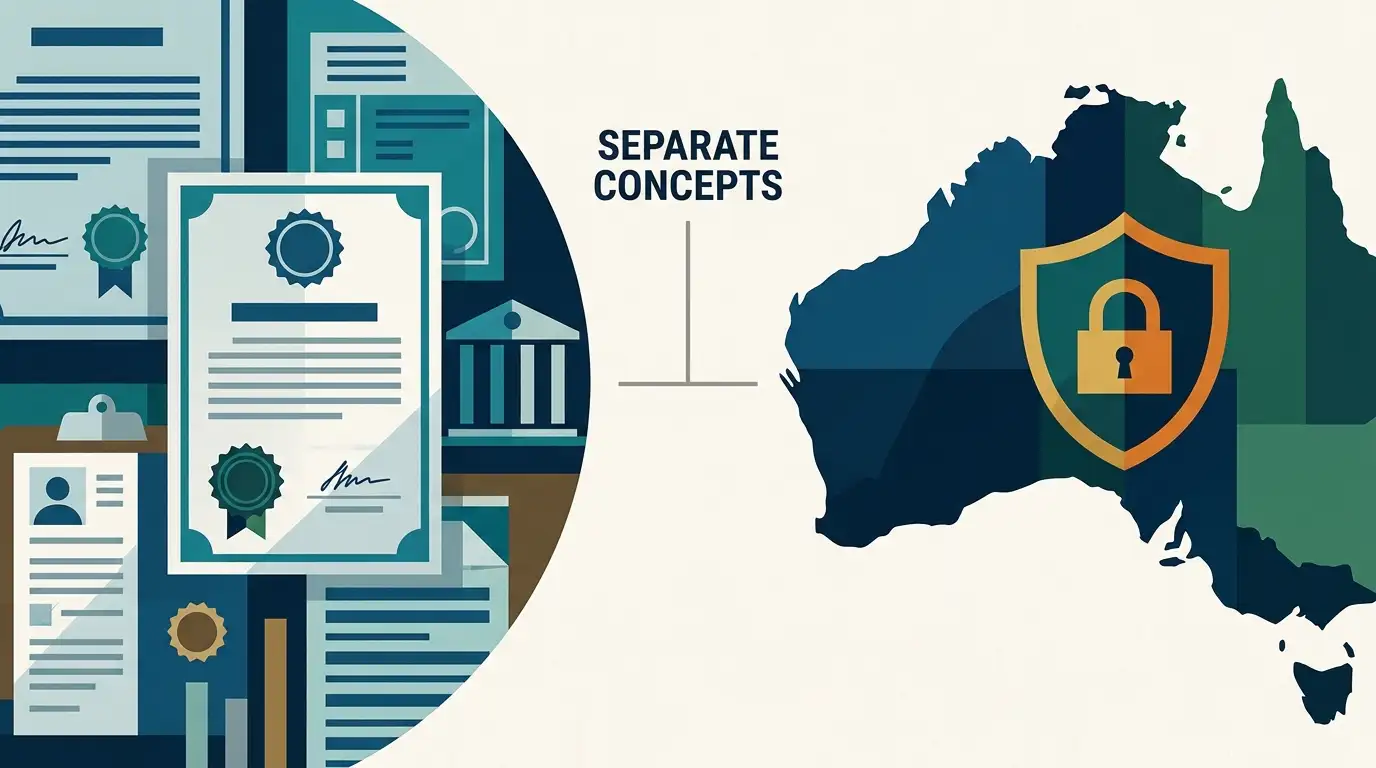
Opening an online casino account normally involves creating login details, supplying basic personal information and completing identity checks when the operator requests them. For Malina Casino, the useful distinction is between that general account workflow and the question of whether the service is lawful for an Australian customer. They are not the same thing. Current Australian Communications and Media Authority records identify Malina Casino as a prohibited interactive gambling service with an Australian customer link, and ACMA requested ISP blocking in October 2025. This section explains registration and KYC as an account-management process, not as a recommendation or assurance that Australians can or should register. For the broader product and regulatory context, see the full Malina Casino Australia review.
Malina offers 24/7 live chat for account-related questions. KYC document requirements and approval times can change, so check the current request shown in your Malina account. If a verification request appears in an account, the safest approach is to follow the request actually displayed by the operator and avoid sending documents through unofficial channels.
- Standard Malina Casino Sign Up Steps
- A practical account-opening sequence
- What KYC means in practice
- How to handle a verification request safely
- KYC and withdrawals
- Support and escalation
- Australian regulatory context changes the decision
- Registration checklist before sharing personal data
- Before and after verification: practical records to keep
- Privacy considerations during KYC
- When account details change
- Questions about Malina registration and verification
- Bottom line
Standard Malina Casino Sign Up Steps
Registration is the point at which an operator creates a customer profile. A typical flow asks for credentials and personal details, followed by confirmation of the information supplied. The important practical rule is consistency. Names, dates of birth and other identity fields should match the documents a customer would later use if verification is requested. Entering nicknames, outdated addresses or inconsistent details can create avoidable friction at the KYC stage.
Do not treat a successful form submission as proof of legal availability in a country. A website can technically accept a form while regulatory restrictions apply separately. For Australian readers, that distinction is especially important because ACMA has taken enforcement action concerning Malina Casino. The Malina licence and ACMA status guide explains that regulatory layer in detail.
A practical account-opening sequence
- Read the legal and account terms first. Check the operator’s current age, jurisdiction and account rules before supplying personal data.
- Create credentials you control. Use a unique password rather than recycling one used for email, banking or other gambling accounts.
- Enter personal details accurately. Keep spelling and address information consistent with legitimate identification records.
- Review payment compatibility separately. Account creation does not establish that every deposit or withdrawal method is available. See Malina payment methods.
- Expect verification to be a separate checkpoint. KYC can arise before or after financial activity depending on the operator’s process and risk controls.
- Keep records. Save relevant account notices and support transcripts if a verification issue affects a withdrawal.
What KYC means in practice
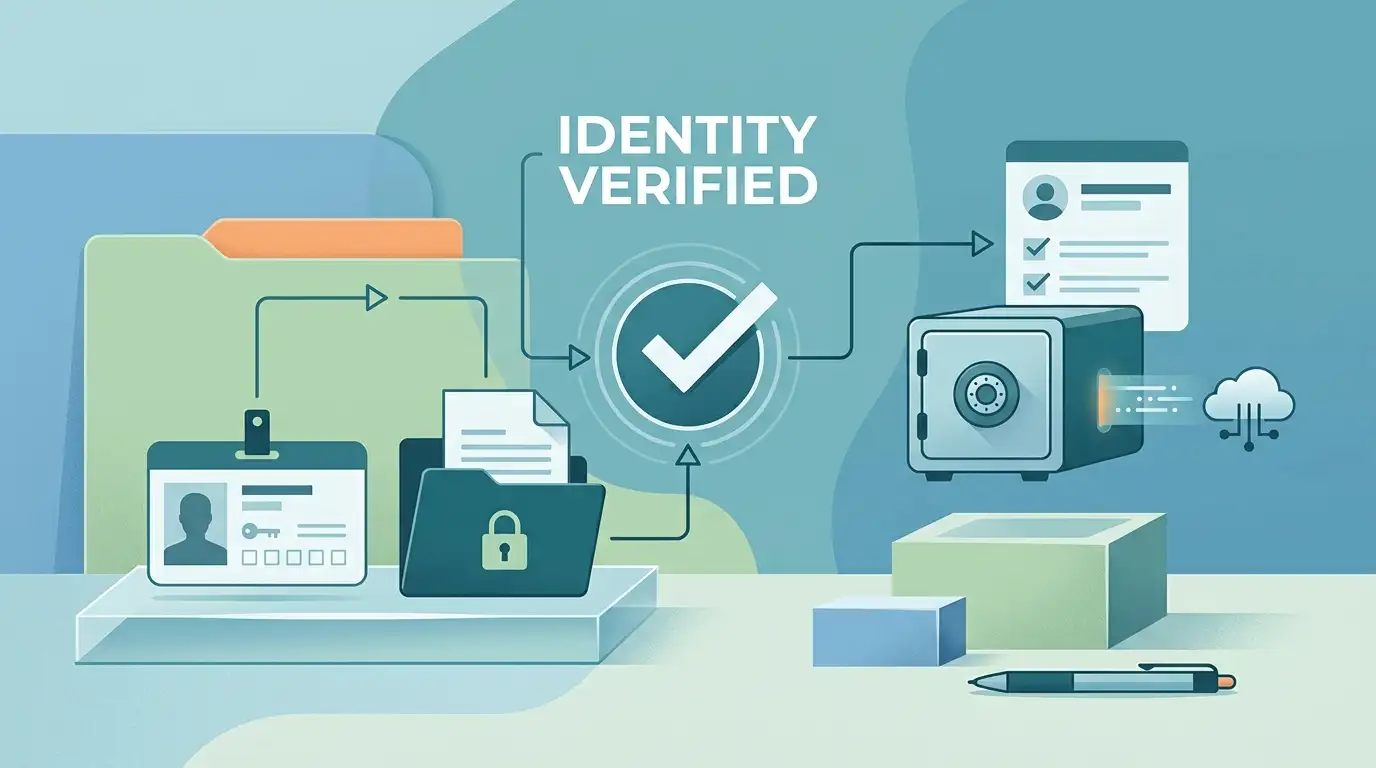
KYC means “know your customer”. In online gambling it is used to connect an account to a real person and can overlap with age checks, anti-fraud controls, payment ownership checks and anti-money-laundering procedures. The existence of KYC is not unusual. What matters to a user is what the operator asks for, why it is asking, where the information must be uploaded and whether the request is being made through an authentic account channel.
Exact a fixed Malina document checklist. Exact document requirements are a residual high-risk fact in the project rules and need current primary evidence. Third-party pages often publish generic lists such as passports, utility bills or saved payment records, but a generic list is not reliable evidence of what Malina will request from a particular customer today. Requirements can also differ by account history or payment method.
How to handle a verification request safely
Start from the account interface or a support channel reached from the operator’s own service rather than from a link in an unsolicited message. Read exactly what is requested and avoid sending extra sensitive information that has not been requested. If a file needs to show specific fields, follow the operator’s instructions rather than guessing which details to redact. If the request is unclear, ask support what category of evidence is required before uploading another document.
For account-security reasons, never send passwords, one-time authentication codes or full card security codes to support. A legitimate identity check should not require surrendering control of an email account or banking login. Keep copies of the request and your submission confirmation so there is a timeline if the issue later becomes a withdrawal dispute.
KYC and withdrawals
Verification becomes particularly important when a customer wants to cash out. A withdrawal can expose mismatches that were not obvious during registration or depositing, such as a different account name or payment ownership issue. That is why accurate registration data matters from the beginning. Our Malina withdrawal guide covers the cash-out workflow and the mixed pattern of current complaint evidence without promising an unsupported processing time.
If a withdrawal is delayed while verification is unresolved, separate the two questions. First establish what verification item is outstanding. Then establish the status of the withdrawal after that item is accepted. Combining both into a vague “where is my money?” query can make it harder to build a useful written record.
Support and escalation
Malina offers 24/7 live chat as a support channel. Live chat can be useful for clarifying the status of a request, but save the transcript or case reference where possible. A support promise is not the same as a completed verification decision, so record dates and the specific action the agent says is required.
If the issue concerns money already requested for withdrawal, document the withdrawal request, verification request, documents submitted, responses received and any later changes to the account status. User experiences are mixed, which is why the separate Malina reviews and complaints page treats individual reports as anecdotes rather than guaranteed outcomes.
Australian regulatory context changes the decision
For an Australian reader, registration mechanics should not be considered in isolation. ACMA states that the Interactive Gambling Act makes it illegal for providers to offer online casino services to people in Australia. ACMA’s investigation table lists Malina Casino among prohibited services, and the regulator issued a formal warning to Stellar Ltd and requested ISP blocking in October 2025. This is a provider-side regulatory finding, not a technical troubleshooting issue.
That context also affects consumer protection. ACMA warns that Australians using illegal online gambling services may not have the protections available through licensed services and can face difficulty if winnings are withheld. VPN, mirror-site and other circumvention instructions are not provided.
Registration checklist before sharing personal data
- Confirm you are using the intended service and not an imitation domain.
- Read current account, privacy and verification terms.
- Use unique credentials and protect the email account connected to them.
- Enter identity details consistently and truthfully.
- Do not assume a visible registration form proves Australian legal availability.
- Do not rely on an old third-party KYC checklist as a current Malina requirement.
- Keep a record of verification requests and support conversations.
- Review the Australian regulatory position before making a financial decision.
Before and after verification: practical records to keep
A small account record can save time if support later asks you to reconstruct what happened. Note the date the account was created, the identity details used, the payment method involved, the date a verification request appeared and the date each requested item was submitted. Record the support case or transcript reference as well. This is not about collecting unnecessary personal data; it is about keeping a chronology of actions already taken.
Also distinguish a rejected document from a pending review. If a file is rejected, ask which requirement it failed rather than repeatedly uploading variations. If it is pending, ask whether another action is actually required. Repeated submissions can make a simple timeline harder to follow. Where the operator asks for updated information, make sure the change is legitimate and consistent with the account holder’s real details.
Privacy considerations during KYC
Identity verification necessarily involves sensitive information, so minimise exposure outside the intended verification channel. Do not post KYC images publicly when asking for help, and remove personal information before sharing a support problem on a forum or review site. A public complaint can explain the sequence without publishing an identity document, home address, card number or account identifier.
Before uploading anything, review the current privacy terms available through the service and understand where the submission is going. If a message asks you to move the conversation to an unrelated messenger account or send documents to an address you cannot authenticate, verify the request through the normal account support route first. Account security is part of the verification process, not a separate afterthought.
When account details change
If a legitimate personal detail changes after registration, use the operator’s formal account-update process rather than opening a second account to work around the mismatch. Duplicate accounts can create their own verification questions. Keep evidence of the requested correction and confirmation that the profile was updated, especially when the change affects a name, address or payment ownership record.
The same principle applies when a payment method changes. A new card or wallet does not automatically erase the history attached to an earlier transaction. If support asks about ownership of a method previously used, answer the specific request and keep the explanation consistent with the transaction record. The goal is a clean audit trail, not repeated trial-and-error uploads.
Questions about Malina registration and verification
Can Australians register with Malina Casino?
Australian registration should not be treated as guaranteed. More importantly, ACMA has identified Malina Casino as a prohibited interactive gambling service with an Australian customer link and has taken enforcement action. A technically accessible registration page does not override that regulatory position.
Which documents does Malina require for KYC?
Malina’s KYC document requirements can change. Follow the current request shown in the authentic account flow and clarify ambiguous requirements with support.
How long does Malina verification take?
Malina does not have a fixed verification time that should be assumed for every account. Treat third-party timing claims as experience reports rather than a service guarantee.
What should I do if KYC delays a withdrawal?
Identify the outstanding verification requirement, keep submission records and ask for a clear status update. Then track the withdrawal separately once verification is resolved. See the withdrawal guide for more detail.
Bottom line
Malina registration and KYC are best understood as a sequence: accurate account details first, verification when requested, and careful record-keeping if the process affects payments. Malina offers 24/7 live chat, but it cannot responsibly turn generic third-party KYC information into a fixed Malina document list or guaranteed verification time. Australian readers also need to weigh the account process against ACMA’s specific enforcement record. For the regulatory evidence and the distinction between offshore licensing and Australian authorisation, continue to the Malina licence and ACMA status page.
Created by the ”Malina Casino” editorial team.